
Choosing Yourself, One Step at a Time
Oliver Rolfe speaks to KIN about addiction, recovery, and the power of starting again
Credit ADOBE
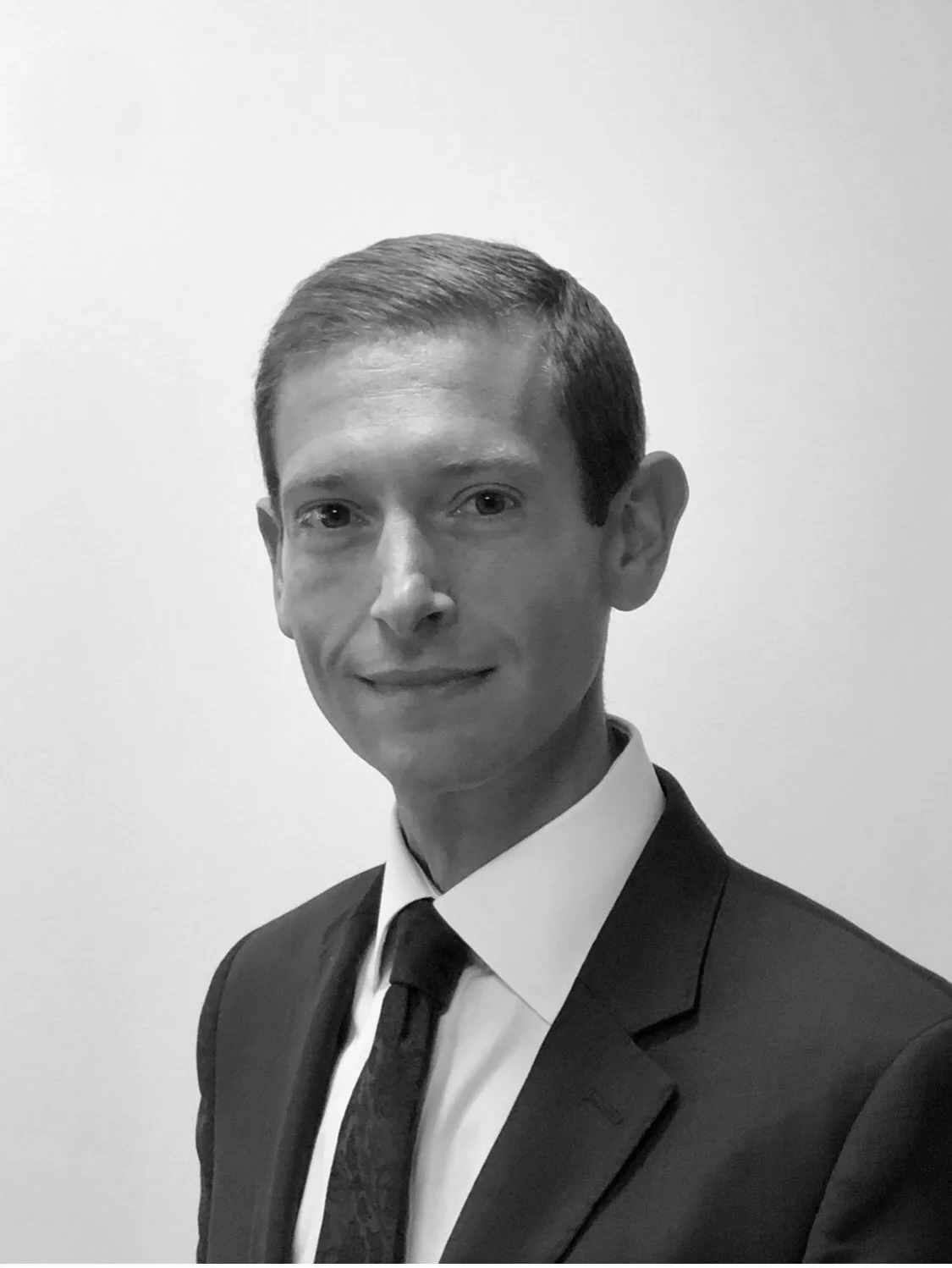
My name is Oliver Rolfe. I am the Founder and CEO of Spartan International Group, an Executive Search Firm and Consultancy. So why have I written a book about addiction?
Before this, I authored two books: The Survivor’s Guide To Your Career Today, aimed at young adults, and The Holistic Guide To Your Health & Wellbeing Today, written to help professionals create lasting change. Both were shaped by my own experiences and a desire to help others. The Addiction Blueprint comes from the same place — but from a chapter of my life I never expected to write.
For a long time, I didn’t think I needed help. Looking back, the signs were there. My family gently asked if I was okay, commented on my weight loss, my tiredness, my drinking. I brushed it off, convinced I was coping. I wasn’t. Somewhere along the way, I had lost myself. Every day felt the same. I was exhausted, withdrawn, low, and unhappy, running on fumes and telling myself I just needed to get through the next task.
The month before everything unravelled was relentless — travel, illness, fatigue. Then my wife reached out to my brother. One afternoon, the two of us went for a long walk and spoke openly, properly, for the first time in a while. By the time we returned, it was clear: I needed to step away and reset. That day, my wife, my brother, and I agreed I would go to Rainford Hall for a wellbeing reset.
Getting there felt overwhelming. Even planning a train journey felt impossible, so I took a taxi from London to Liverpool. The drive was strangely calming. The driver listened without judgement, shared his own story, and then we sat in silence. When Rainford Hall came into view — tucked away among trees and open grounds — it felt like a sanctuary. I didn’t know what awaited me, however, I knew I was ready.
Walking through the doors was daunting. I was anxious and overwhelmed, yet immediately met with warmth and genuine care. Within an hour, I found myself at lunch, nervously trying to sit alone before being gently encouraged to join others. That table — and those people — changed everything. Their humour and openness eased my fear. We called ourselves “the inmates,” and from that moment, I felt less alone.
The grounds were beautiful. Walking outside, calling home, breathing fresh air — it all grounded me. Wildlife roamed freely, and nature became a quiet teacher. Nights were unfamiliar at first, mornings filled with birdsong. The food was nourishing and thoughtful, and on my birthday the chefs created a celebration that made me feel truly cared for.
The group sessions were profound. There were tears, laughter, and stories that revealed how deeply addiction and trauma intertwine. We became a family — mums, dads, siblings, elders — a tribe of wounded souls healing together. Evenings were spent watching films, playing games, making bracelets, or singing karaoke. Staff told us we were unusually close. We felt it too.
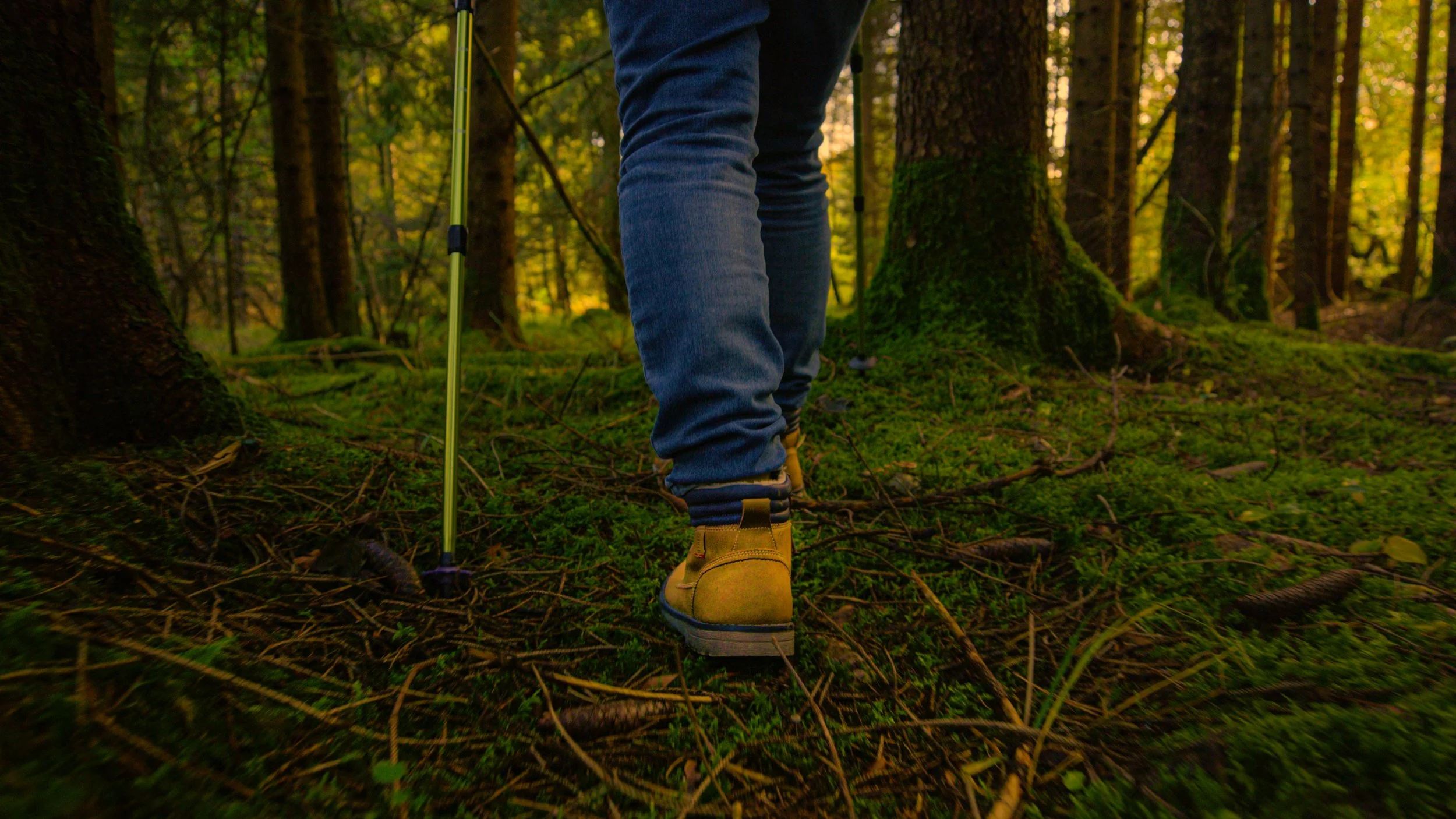
Daily walks through forests and fields became moments of reflection and connection. Sometimes we talked deeply; sometimes we walked in silence. Those walks sparked something I hadn’t felt in years — movement and purpose. They led, eventually, to me completing the London Marathon in 2025 and raising over £10,000 for the National Association for Ankylosing Spondylitis. That journey began with one uncertain walk at Rainford Hall.
Saying goodbye was harder than expected. I longed to be with my family, yet leaving this community was emotional. It wasn’t just a programme — it was a beginning.
Returning home felt surreal. On the train, I read cards and notes from the group and felt overwhelmed with gratitude. Walking back through my front door and seeing my family was pure joy. I knew I couldn’t return to old patterns. I chose a new rhythm — slower, more present, kinder to myself. I stopped chasing perfection and learned to rest without guilt.
Support didn’t end when I left. Therapy continued, online groups remained active, and connection stayed strong. Isolation allows old habits to creep back in; community creates strength. Healing isn’t a one-time fix — it’s a daily choice.
During this period, the idea for this book took shape. I kept asking myself: What would I have needed at the beginning? I began researching, writing, and reflecting — initially as a way to process and to thank my brother. Then I realised this might help others. With encouragement from my publisher, the book evolved into something structured, honest, and heartfelt.
There is no single path to recovery and no perfection — only progress. By applying these principles, I’ve learned to pace myself, live with balance, and enjoy life again. I still work just as hard, yet now I work wisely. I spend more time with my family and make space for myself.
Throughout this book, I weave my own experiences into the guidance offered — not as theory, as lived truth. Pay attention to your warning signs. You matter too. Healing is possible. You are not broken, and you don’t have to do this alone.
Make the most of every moment. Life is fragile. Seize the day — and make your dreams your reality.
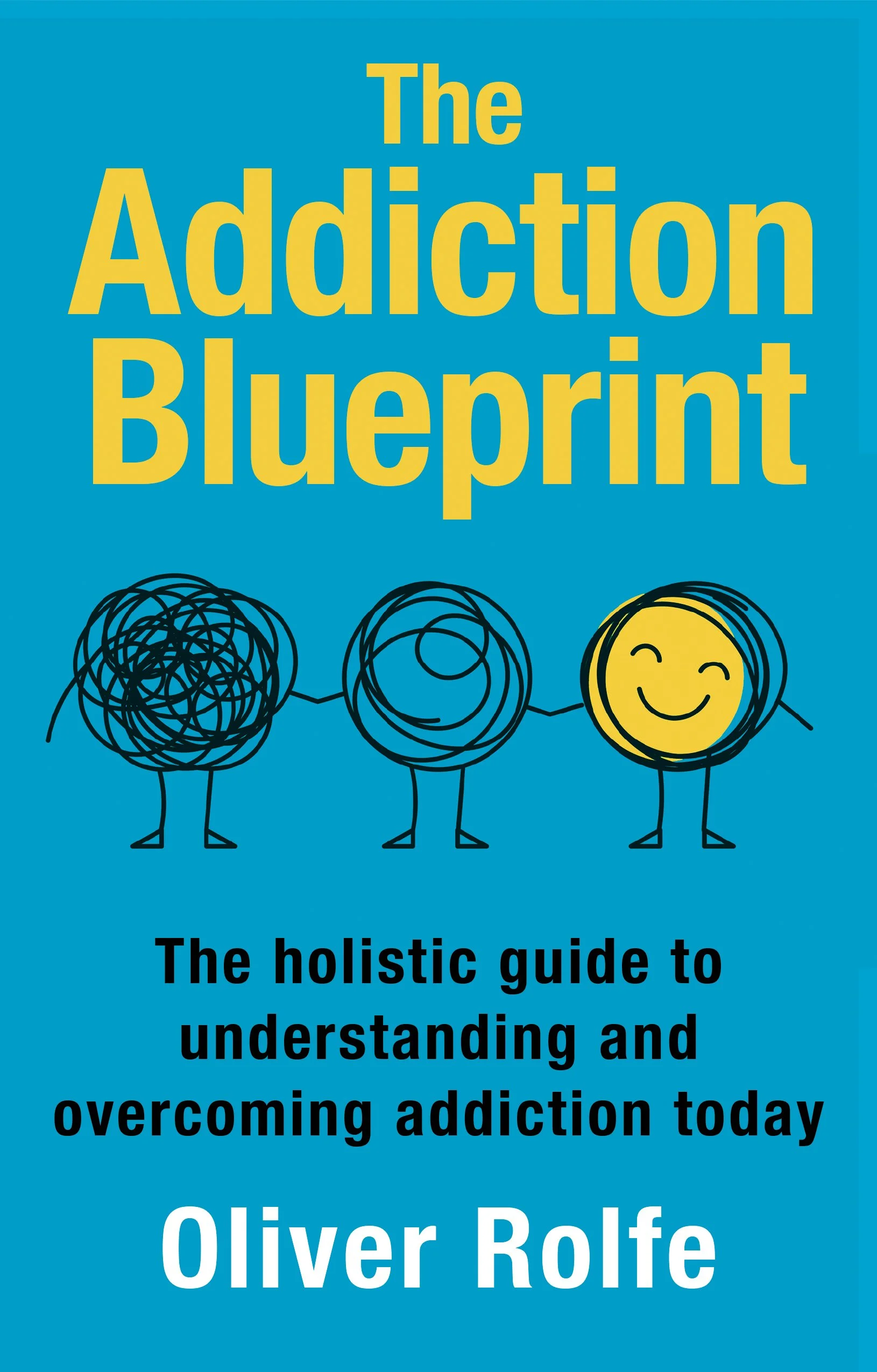
The Addiction Blueprint by Oliver Rolfe is out now, published by Hammersmith Health Books