
New data shows exhausted Brits are ditching all-inclusive holidays for cruises
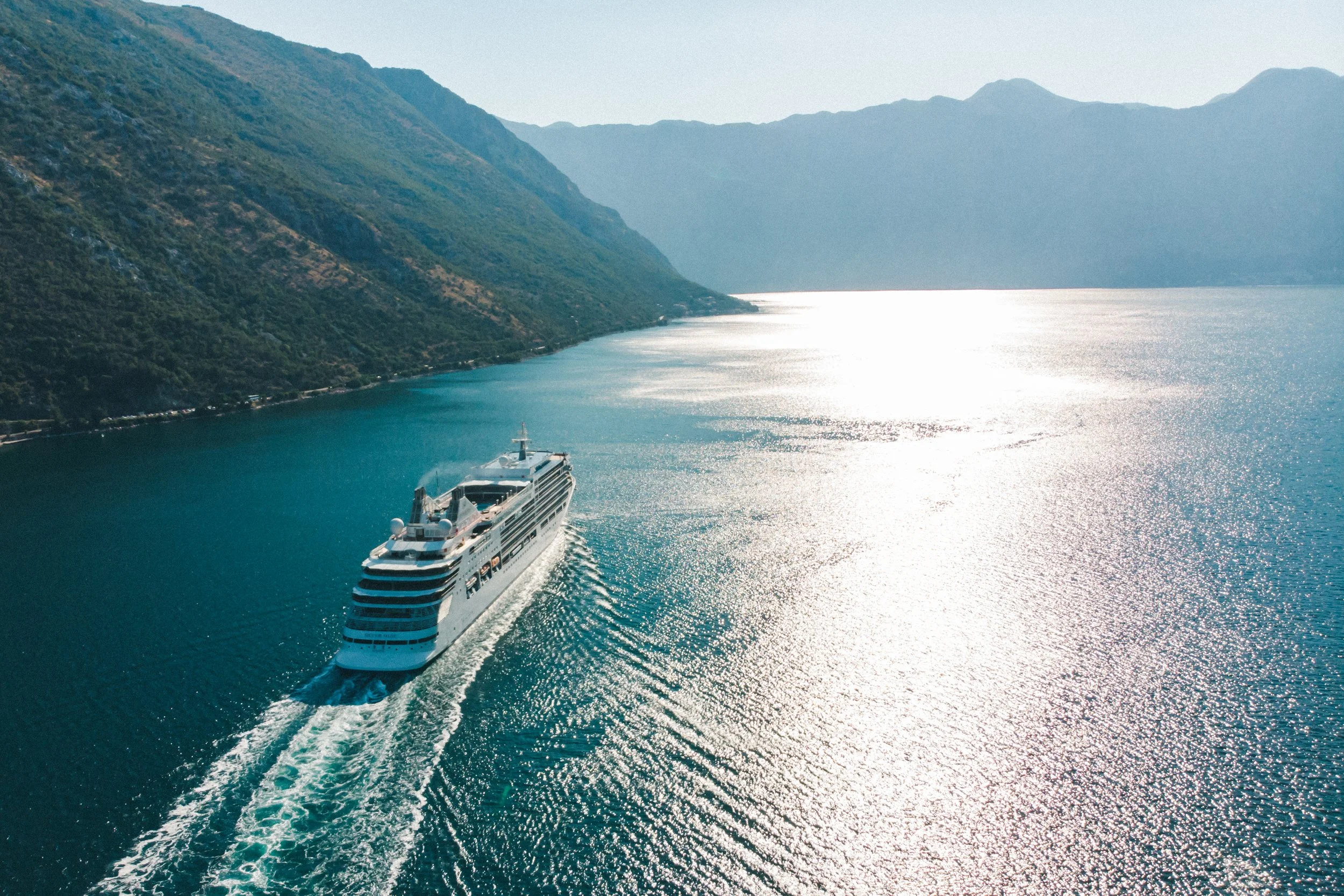
©phpetrunina14 adobe.stock
Stressed, tired and desperate for a break, millions of Brits are rethinking how they holiday, with new research revealing that travel is increasingly being used as a vital mental health reset rather than a luxury.
A new study of more than 500 UK travellers by online cruise specialist Cruise118.com has found that an overwhelming 96% say their holidays have improved their mental, physical or emotional wellbeing, as more Brits move away from traditional all-inclusive breaks in favour of cruises offering better value, flexibility and variety.
According to the research, 83% of respondents reported feeling more relaxed or recharged after returning from holiday, while over three quarters (78%) noted a significant reduction in stress levels during their trip.
Once stereotyped as slow-paced or sedentary, cruises are also challenging perceptions around health and fitness. More than half (53%) said they were actually more active on holiday than at home, thanks to onboard gyms, classes, swimming, walking excursions and organised activities.
Research also found a clear shift away from traditional land-based all-inclusive holidays, with travellers citing better value for money, richer experiences and the ability to visit multiple destinations in one trip, as key reasons for choosing cruises.
Over a quarter (28%) said onboard experiences were a significant factor in their decision, while one in five (20%) said cruises allowed them to finally tick off long-held “bucket list” destinations without the stress of constant planning or packing.
Additionally, the data also points to strong loyalty within the cruise market, with 70% of respondents having been cruising for more than seven years, suggesting that once travellers try a holiday on the seas , many don’t go back.
To explore why travel is resonating so strongly with Brits right now, Cruise118 asked psychotherapist and author Eloise Skinner, who says “many people underestimate the psychological toll of not taking proper breaks.
“Extended periods without meaningful rest push the nervous system into chronic stress mode,” Eloise explains. “This is linked to burnout, poor sleep, lowered immunity and reduced emotional resilience. Many people believe stress is something to push through, but without genuine breaks, the body never gets the chance to recover. Travel interrupts those stress patterns by changing our environment and routine, allowing the brain to switch off from work and daily pressures properly.”
Eloise says January is one of the most critical times of year to take a break, with many people left physically and emotionally drained after the festive period.
“Disrupted sleep, richer food, alcohol and social pressure can leave people exhausted,” she says. “Cold weather and short daylight hours also contribute to low mood and reduced energy. A change of scenery, particularly somewhere brighter or more active, can help reset sleep patterns, increase exposure to natural light and provide relief from post-Christmas fatigue and the winter blues.”
Cruise118 delved into the top three benefits of travel with Eloise:
Can help to set realistic goals
When people don’t rest, stress hormones like cortisol remain elevated. Over time, this contributes to chronic fatigue, anxiety, irritability and difficulty concentrating. Constant busyness is often mistaken for productivity, but psychologically, it leads to emotional numbness and burnout.
Travel can offer more than a short escape. Being in a new environment disrupts habitual thought patterns, creates psychological distance from everyday pressures and allows people to gain perspective. Many return feeling clearer, calmer and more capable of setting realistic goals.
Support long-term wellbeing
Beyond immediate relaxation, travel can also support long-term well-being.
New experiences stimulate areas of the brain linked to dopamine and present-moment awareness. Over time, this can increase flexibility, confidence and emotional resilience. Travel also encourages physical movement, social connection and curiosity, all factors associated with healthy ageing and sustained mental wellbeing.
Help to reset and increase motivation.
Travel can be a powerful way to reset our mindset and motivation, particularly at the start of a new year. It reintroduces a sense of novelty and curiosity, which are closely linked to motivation and creativity. Experiencing new places, cultures, or even simple changes in daily rhythm can help people reconnect with what energises them, rather than what they feel they should be doing.

About Cruise118
Founded in 2009, Cruise118.com is one of the UK’s leading cruise travel agents with a vision built on expert cruise knowledge, exclusive cruise deals and exceptional customer service. Cruise118.com works with all major cruise lines and has helped over 65,000 customers enjoy cruise holidays around the globe. Whether customers are first-time cruisers or seasoned travellers, the team of dedicated cruise experts are on hand to find the best deals and create the perfect holiday. Cruise118.com also offers the flexibility to combine cruise holidays with city breaks or land tours, with destination experts guiding travellers every step of the way.
About Eloise Skinner
Eloise is an author, existential therapist, teacher, model, and the founder of two businesses: The Purpose Workshop and One Typical Day. Born in East London, she studied at Cambridge and trained at Oxford. She started in corporate law and spent a year in a monastic community and now focuses on existentialism, education and social mobility. She is an ambassador for the UK’s national social mobility charity, and also an Enterprise Advisor for the Mayor of London’s education & careers strategy.