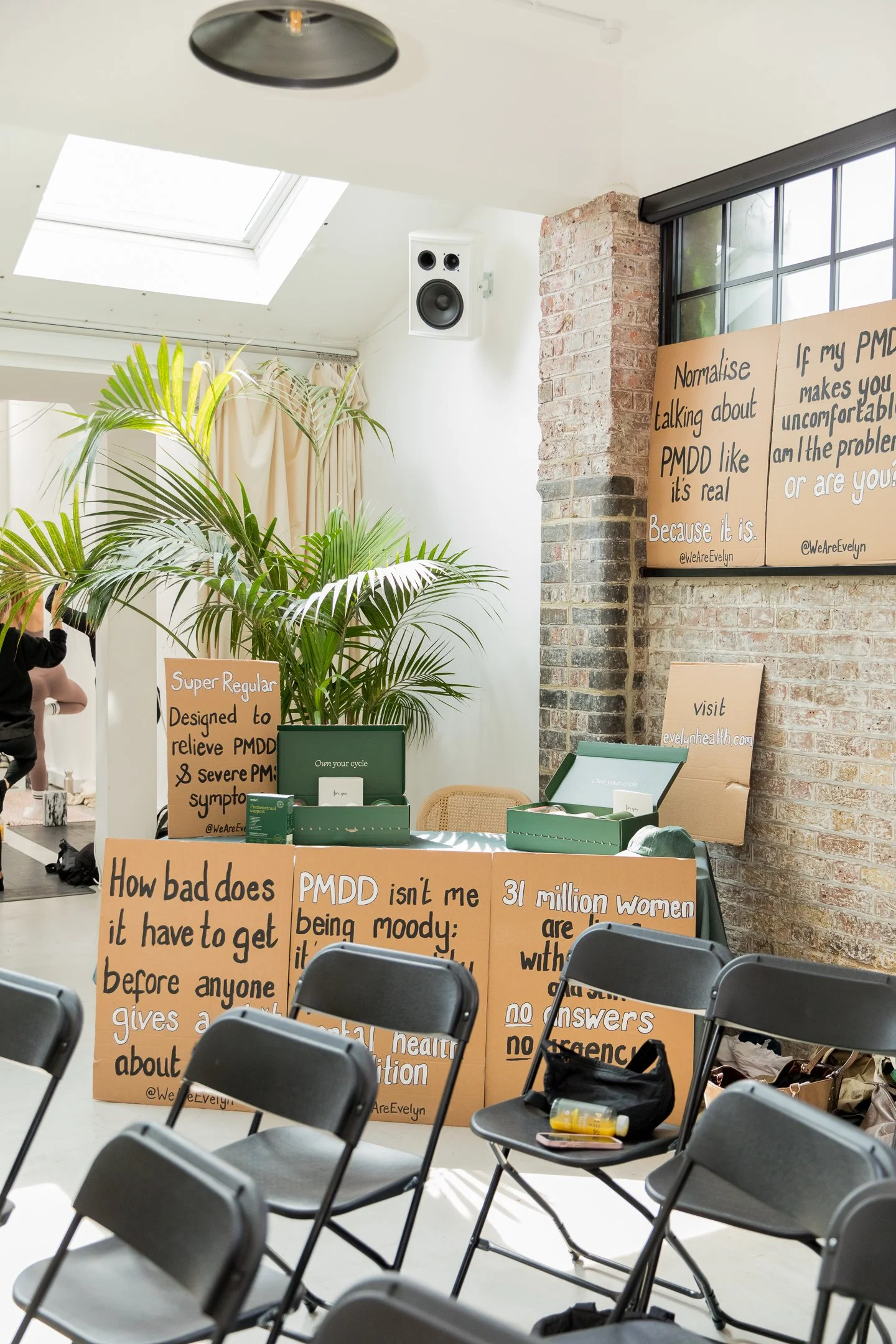
PMDD is widely misunderstood and underdiagnosed, warns UK charity during Awareness Month
Premenstrual Dysphoric Disorder (PMDD) remains widely misunderstood and underdiagnosed in the UK, despite affecting an estimated 3–8% of women and people who menstruate, according to recent global research, including a 2024 meta-analysis published in the Journal of Affective Disorders.
April marks PMDD Awareness Month, with UK charity The PMDD Project highlighting ongoing gaps in recognition, diagnosis and support for the condition.
The condition is often mistaken for premenstrual syndrome (PMS), but PMDD involves significantly more severe psychological, emotional and physical symptoms that can disrupt everyday functioning.
Common symptoms of PMDD include:
Severe mood swings, anxiety or depression
Intense irritability or anger
Feelings of hopelessness or low self-worth
Difficulty concentrating
Fatigue and sleep disruption
Physical symptoms such as bloating, headaches and joint pain
For many, these symptoms follow a cyclical pattern linked to the menstrual cycle and can significantly impact work, relationships and overall quality of life. Research shows that those with PMDD are up to four times more likely to experience suicidal thoughts, and up to seven times more likely to attempt suicide, according to meta-analyses.
Despite this, many individuals report delays in diagnosis and ongoing misdiagnosis or dismissal within healthcare settings, with symptoms often minimised or attributed to other mental health conditions. PMDD is also frequently under-recognised in clinical practice, contributing to delays in support and treatment.
The PMDD Project, a UK charity bringing together a growing network of clinicians, researchers and people with lived experience, is working to address these gaps through awareness, support and research.
Founded in 2024 by Phoebe Williams following her own experience of PMDD, the charity has grown into a collective of volunteers and advocates — many with lived experience — working to improve understanding and drive change in how the condition is recognised and supported.
“PMDD is still not being recognised in the way it should be,” says Phoebe Williams. “We regularly hear from people who have struggled for years to be believed or to access the right support.”
The PMDD Project exists to make sure no one facing PMDD feels unheard or alone. It provides accessible information and resources, alongside community spaces, workplace awareness and training, and events, where lived experience and clinical insight come together to improve understanding of the condition.
As part of this work during PMDD Awareness Month, The PMDD Project will host the UK’s first online PMDD Summit on Thursday 24 April 2026, a virtual event bringing together clinicians, advocates and those with lived experience. The summit will feature headline speaker Vicky Pattison, alongside continued policy engagement following strong public support for improved screening and funding in mental health services.
“Our goal is to build a future where PMDD is recognised, understood, and properly supported — where people are believed and able to access the help they need sooner,” adds Phoebe Williams.
For more information, visit: https://thepmddproject.org/