
The Best Foods for Healthy Hair Growth, According to Experts
© J Maas/peopleimages.com stock.adobe
Dr Puroshini Pather, Hair Transplant Surgeon at Treatment Rooms London spoke to KIN about the best nutrition for healthy hair.

When it comes to healthy hair, there are some factors we cannot control. Genetics, age, and our unique biological makeup are all key factors in determining hair strength and shine.
Lifestyle, however, and nutrition still play valuable parts in boosting vitality overall. A balanced diet is key for supporting all health, and with hair health there are certain vitamins and minerals that can be particularly beneficial.
But what are they, and where can you find them?
Vitamins A, B and Biotin
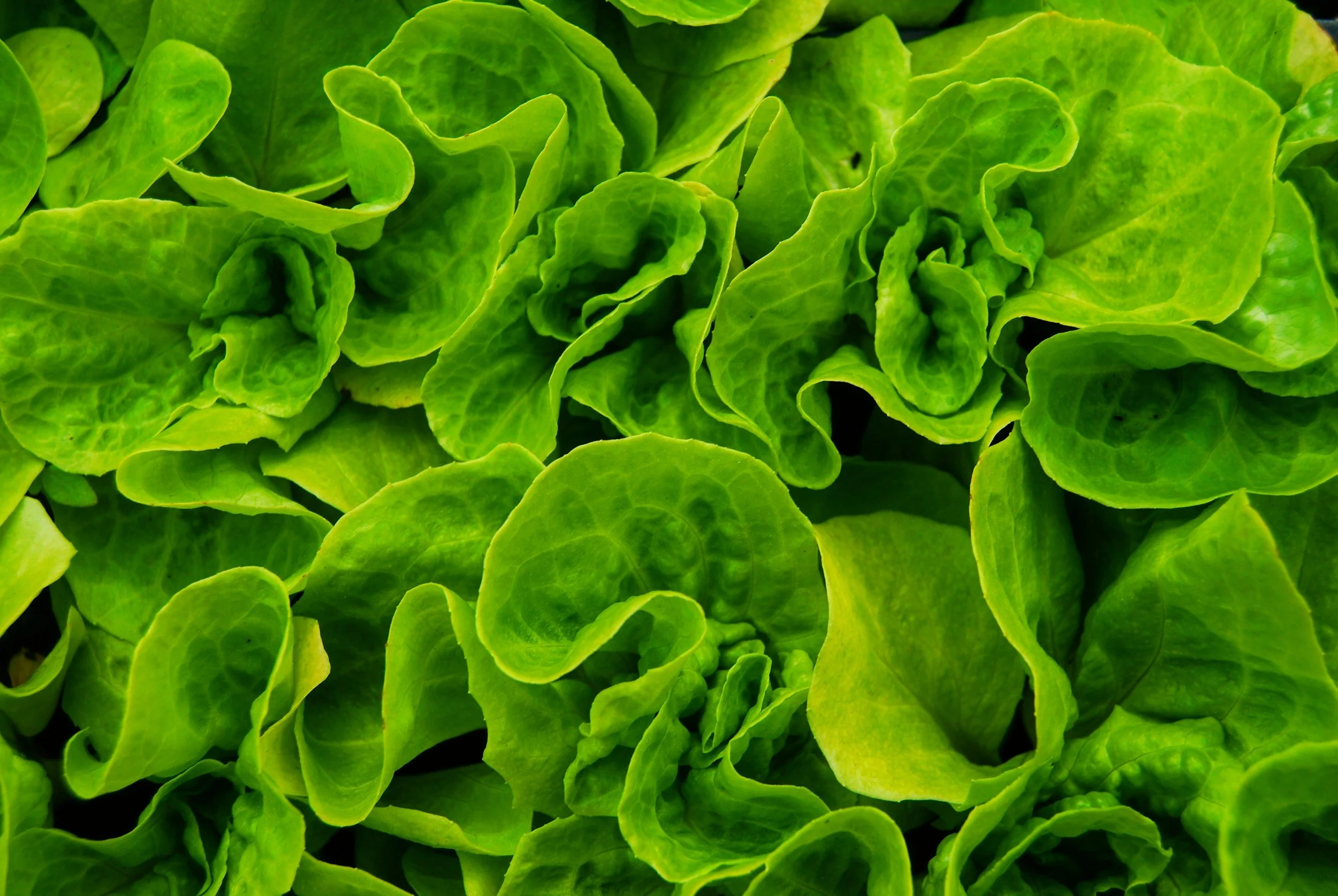
Vitamin A, in relation to hair, is responsible for sebum production, moisturising the scalp and preventing hair from becoming dry and brittle. Foods high in vitamin A include dark green vegetables, such as spinach, as well as orange vegetables like carrots, and yellow fruits like mangoes.
Vitamin B12 is one of the more important vitamins for hair health. It aids in the production of red blood cells, affecting major organs like the heart, skin, the nervous system and the vitality of nails and hair. This vitamin is not naturally produced by the human body, and B12’s absorption can be hindered by certain gastrointestinal and autoimmune conditions. You can increase your intake of this vital molecule with meat, fish and dairy, but if that doesn’t suit your diet, B12-fortified foods like breakfast cereals and plant milks can help up your levels.
Biotin (Vitamin B7) is a popular vitamin that helps strengthen hair strands by improving the rate of new cell production, preventing thinning and supporting the development of healthy cell membranes in the scalp. It can be found in a range of food sources, suitable for various diets. For animal-based sources, biotin levels are particularly high in organ meats like beef liver, as well as salmon and tuna. For plant-based sources you can up your biotin intake with nuts like almonds and walnuts, as well as seeds and legumes like lentils. Cooked eggs are also a great source of biotin, especially the yolk!
Vitamins C, D and E
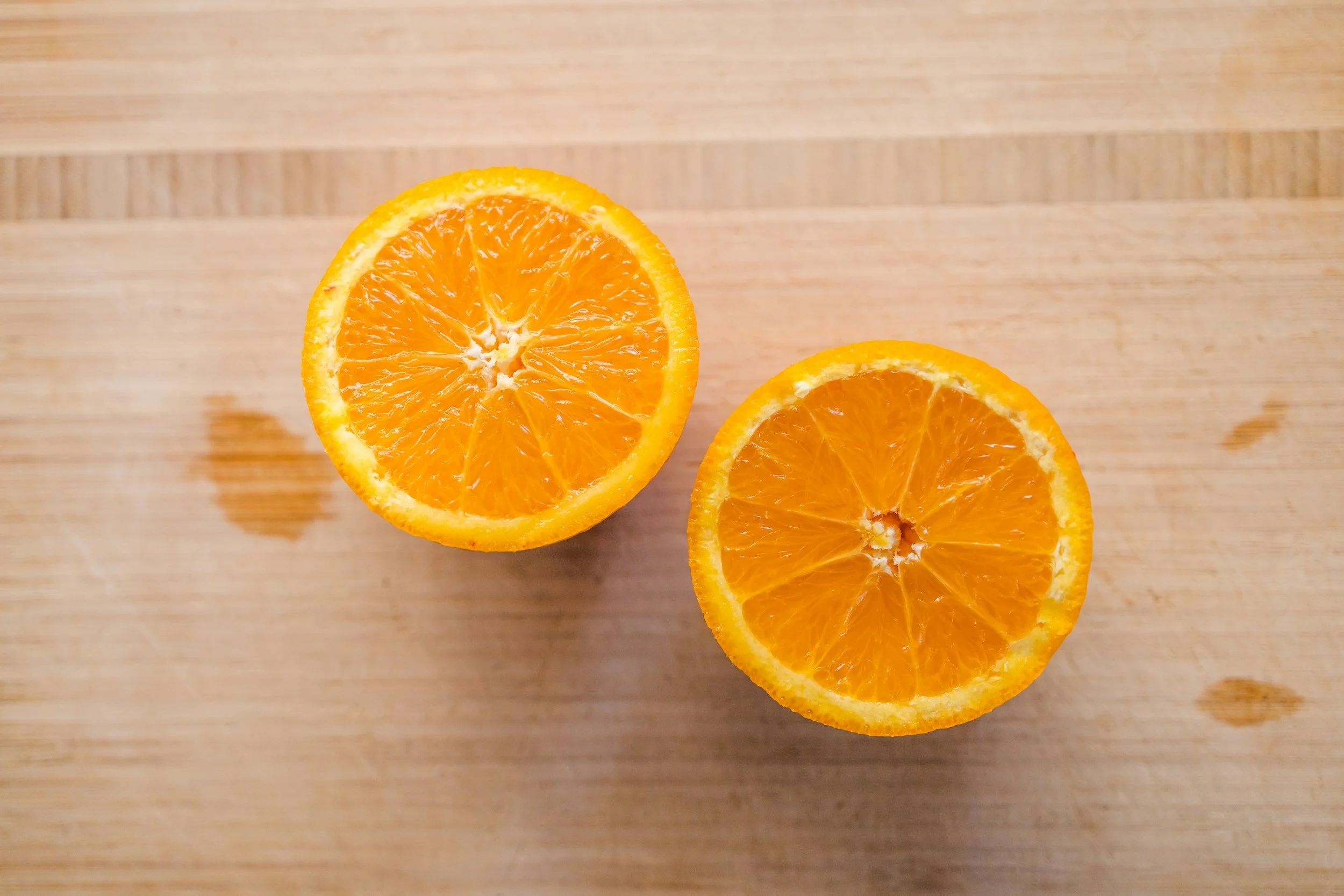
Vitamin C is key for activating enzymes in the body that make collagen, which is the protein that gives strength to your hair. This vitamin doesn’t directly make your hair grow faster but rather supports the biological functions that your hair depends on. Citrus fruits are particularly high in vitamin C, as well as red bell peppers, strawberries, brussels sprouts and broccoli.
Vitamin D, often called the ‘sunshine vitamin’ is one of the body’s most important molecules for hair growth. This vitamin is important for a strong immune system, strong bones and the growth of hair. Very few foods naturally contain high amounts of vitamin D, but the best sources come from fatty fish (like salmon and mackerel), as well as fortified milks and breakfast cereals.
Vitamin E helps to support circulation, as well as protecting hair follicles from oxidative stress, which can be helpful in environments with high UV exposure and pollution. This vitamin is best absorbed from food because it’s fat-soluble, so look for sources like almonds, sunflower seeds and avocado.
Minerals
Besides vitamins, there are certain minerals that help support our hair and bodies. Iron and zinc are classic examples of minerals that are very influential on hair health and growth.
Iron helps deliver oxygen to hair follicles, strengthening the hair fibres and supporting rapid cell division. With an iron deficiency, strands become fragile and break more easily, leading to hair thinning. Iron is best absorbed through animal sources like red meat and fish, but plant-based sources are still valuable, especially when paired with vitamin C. Iron-rich foods include tofu, tempeh, chickpeas and lentils.
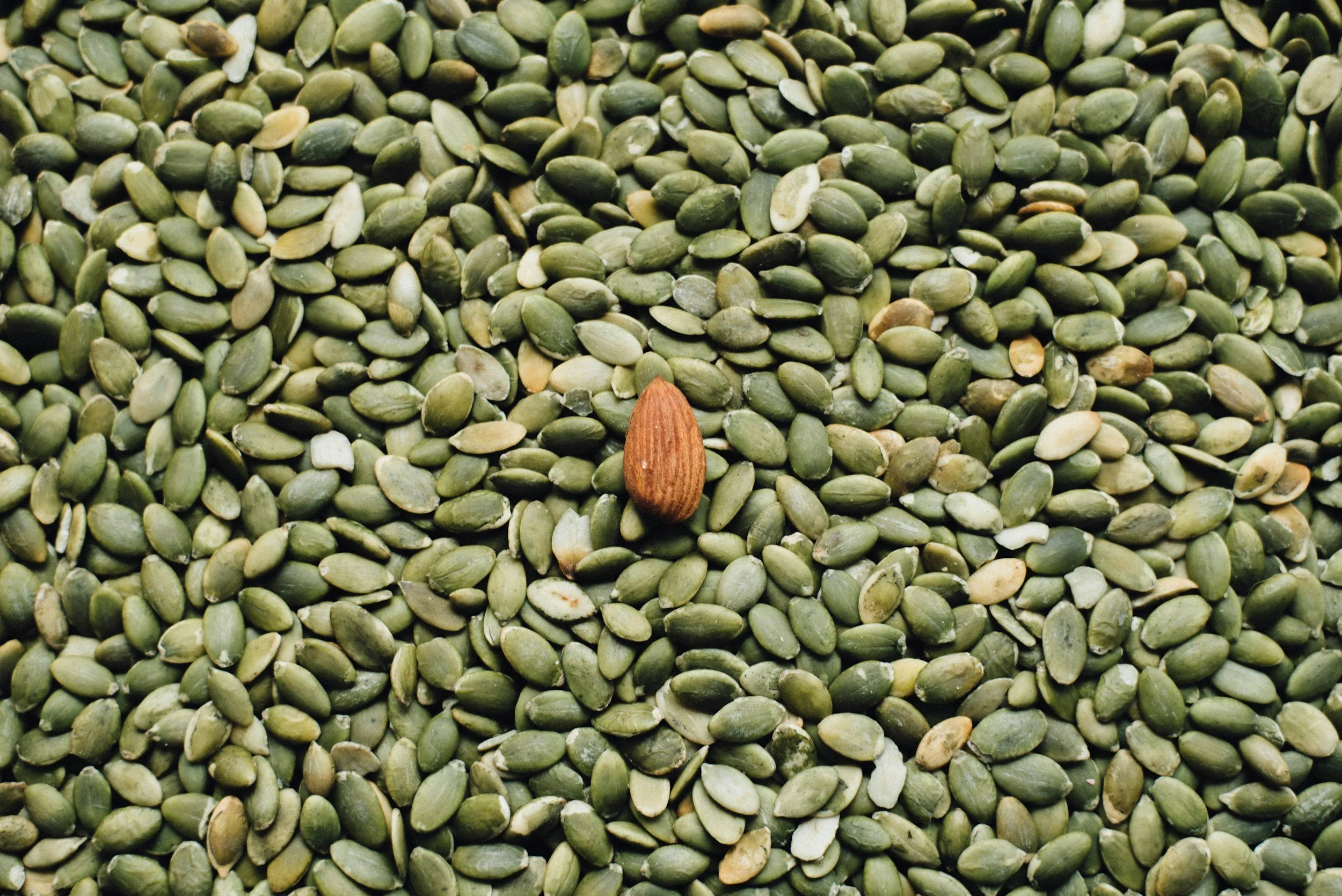
Zinc is another mineral essential in cell division and producing keratin, helping improve hair’s thickness and scalp health. Again, this is best absorbed through animal sources, and is particularly high in oysters, but plant-based sources can include pumpkin seeds, sesame seeds and cashews.
Supplements
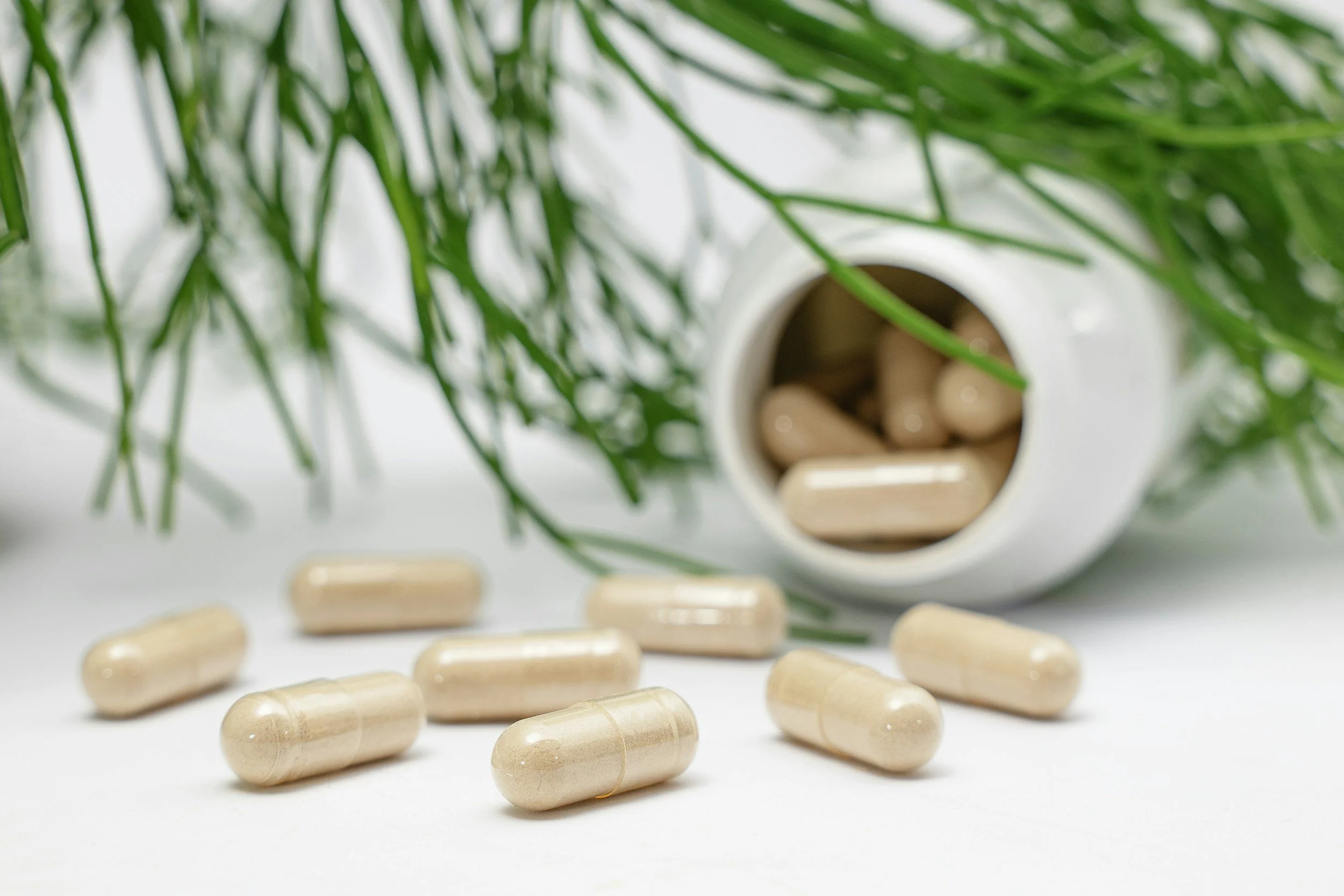
Keeping your vitamins and minerals in optimal ranges within the body is what matters most for hair and body health. But what happens when your dietary intake isn’t enough? Supplements can be an effective way to boost intake and address any common deficiencies.
One example is vitamin D. During the winter and spring months, where there is a lack of sunlight (especially in the UK), our bodies tend to naturally receive lower amounts of vitamin D. Taking vitamin D supplements can help boost our levels to better support the immune system and hair growth cycle.
With all supplements, moderate is key, and supporting your health through your diet is always the best first step. High doses of certain vitamins and minerals can do more harm than good, so it’s important to consult with your local doctor before starting anything to ensure a safe dosage.
In essence, the things we consume play a crucial and highly influential role in hair health. No vitamin or mineral works alone, but rather it is best to focus on a balanced diet with supplementation of elements that aren’t easily eaten.
If you are concerned about your genetics or hormones influencing your health, your local medical professionals can help assist with blood tests to start with and help you gauge a better understanding of your hair as you take further steps on your journey towards healthier hair.

Dr Puroshini Pather, Hair Transplant Surgeon at Treatment Rooms London.
At just 27, she's making waves as one of the youngest female surgeons in a male-dominated industry.